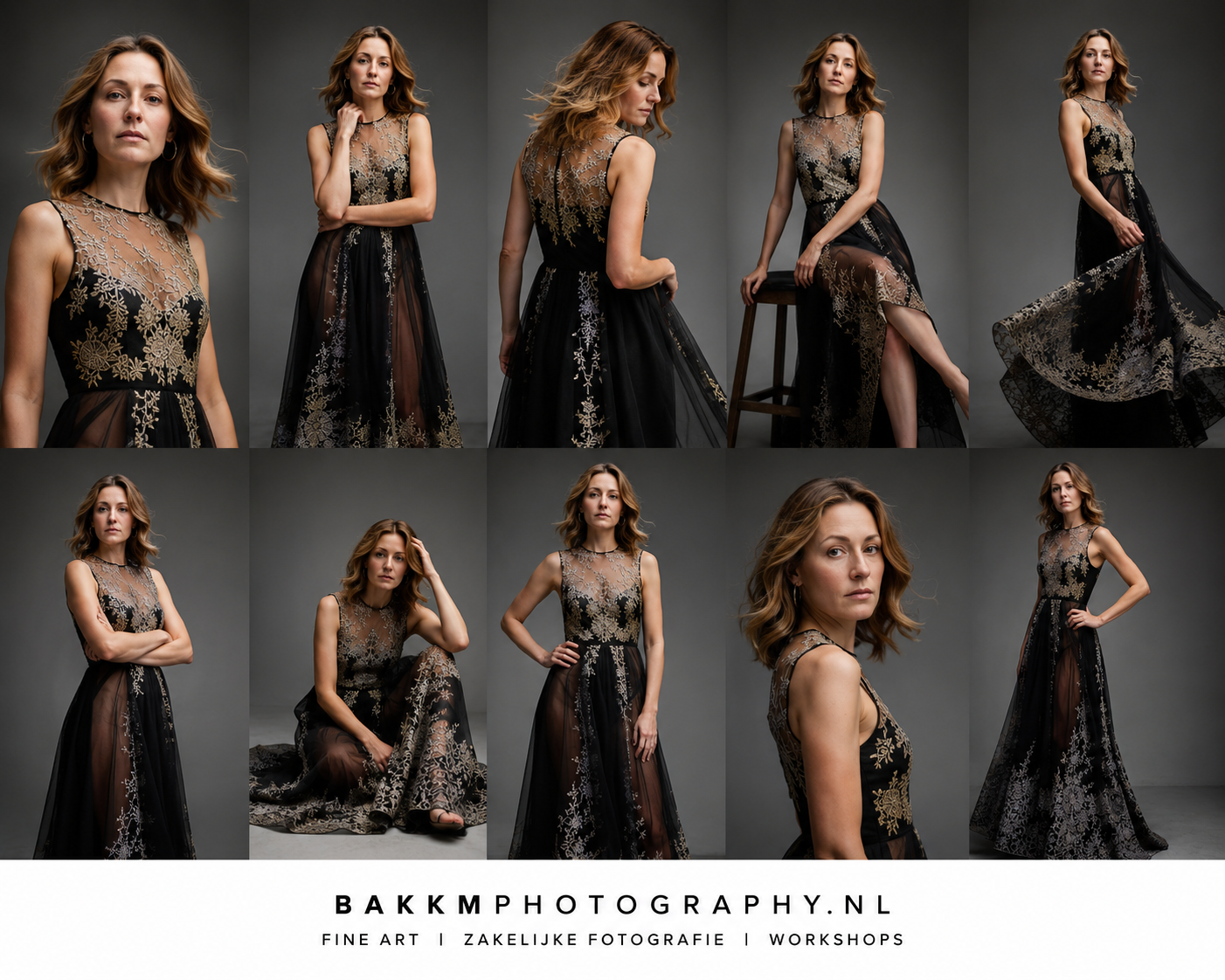
Waarom een goed portret in de portretfotografie begint waar poseren ophoudt.
Een goed portret laat iemand niet zien op zijn mooist, maar op zijn eigenst. Lees waarom poseren de vijand is van een écht portret.
Kijk eens naar de camera. Of liever niet.
Waarom een goed portret in de portretfotografie begint waar poseren ophoudt
"Kijk eens naar de camera."
Het is waarschijnlijk een van de meest gebruikte zinnen in de portretfotografie. En misschien wel een van de slechtste.
Want wat gebeurt er zodra je hem uitspreekt? Iemand stopt met wat hij aan het doen was. Het gezicht verandert. De houding wordt rechter. De mondhoeken gaan iets omhoog. En ineens kijkt er geen mens meer naar je camera, maar iemand die probeert goed op de foto te staan.
Klik.
Technisch kan het een perfecte foto zijn. Mooi licht. Scherp op de ogen. Rustige achtergrond. Goede compositie. En toch ontbreekt er iets.
De persoon.
We fotograferen vaak hoe iemand denkt dat hij eruit moet zien
Zet een camera voor iemand neer en er gebeurt iets fascinerends. Mensen worden zich plotseling bewust van zichzelf.
"Wat moet ik met mijn handen?" "Moet ik lachen?" "Sta ik zo goed?" "Kun je mijn goede kant nemen?"
Ik herken het iedere keer weer. Niet omdat mensen niet gefotografeerd willen worden, maar omdat een camera onmiddellijk het gevoel kan geven dat je wordt beoordeeld.
Dus gaan we onszelf corrigeren. Kin iets omhoog. Buik in. Schouders recht. Glimlach aan. En de fotograaf helpt vrolijk mee.
"Draai iets naar links." "Kin een beetje naar beneden." "Schouder naar achteren." "Ja, perfect. Houden zo."
Maar wat hebben we dan eigenlijk gefotografeerd? De persoon die voor ons stond? Of onze versie van hoe die persoon eruit zou moeten zien?
Een goed portret hoeft niet perfect te zijn
Misschien zit daar wel een van de grootste misverstanden over portretfotografie. We denken dat een goed portret iemand op zijn of haar mooist moet laten zien.
Ik denk dat een goed portret iemand vooral op zijn of haar eigenst moet laten zien.
Dat is iets anders.
Een gezicht is niet symmetrisch. Een glimlach hoeft niet perfect te zijn. Een overhemd hoeft niet overal glad te zitten. En iemand hoeft al helemaal niet voortdurend rechtstreeks in de lens te kijken.
Juist die kleine dingen maken iemand herkenbaar.
Het opgetrokken wenkbrauwtje. De blik die even afdwaalt. Een hand die beweegt tijdens het vertellen. De lach die pas verschijnt nadat de officiële glimlach verdwenen is.
Dat zijn vaak de momenten waarop ik denk: daar ben je. En dan druk ik af.
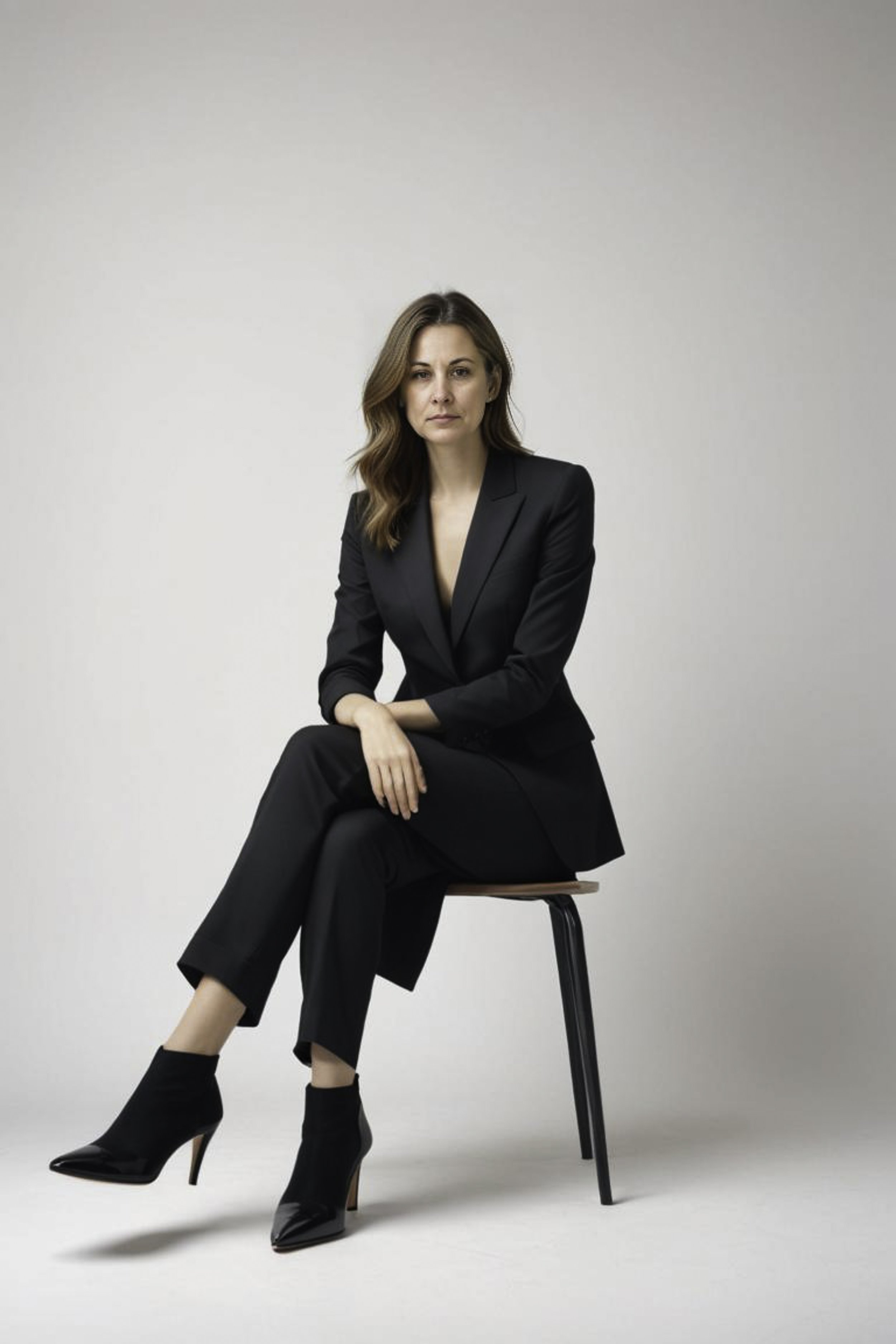
Make it stand out
Het opgetrokken wenkbrauwtje. De blik die even afdwaalt. Een hand die beweegt tijdens het vertellen. De lach die pas verschijnt nadat de officiële glimlach verdwenen is.
Dat zijn vaak de momenten waarop ik denk: daar ben je. En dan druk ik af.
De interessantste foto ontstaat soms ná de foto
Er is een moment tijdens vrijwel iedere portretsessie waarop er iets verandert. De eerste spanning verdwijnt. Iemand raakt gewend aan de camera. We praten. Er wordt gelachen. Soms vertel ik dat we het beeld hebben en laat iemand letterlijk zijn schouders zakken.
En juist dan gebeurt het. De pose verdwijnt. De blik verandert. Het gezicht ontspant. Voor een paar seconden is iemand niet meer bezig met gefotografeerd worden.
Dat zijn voor mij vaak de interessantste seconden van een shoot. Niet omdat de andere foto's slecht zijn, maar omdat er ineens iets zichtbaar wordt wat je niet kunt regisseren.
Iemand vergeet even hoe hij op de foto wilde staan.
Waarom lijken zoveel zakelijke portretten op elkaar?
Kijk eens naar twintig willekeurige zakelijke websites. Je zult ze herkennen.
Armen over elkaar. Lichaam iets schuin. Hoofd naar de camera. Glimlach. Misschien een kantoorwand op de achtergrond, of een industriële muur. Tegenwoordig eventueel een plant die onscherp ergens in een hoek staat.
Niets mis mee. Maar vervang de persoon en de foto werkt vaak nog steeds. En precies daar gaat voor mij iets verloren.
Een zakelijk portret van een ondernemer, bestuurder of medewerker zou niet alleen moeten zeggen: dit is hoe deze persoon eruitziet. Het mag ook iets vertellen over: wie staat hier eigenlijk voor mij?
Rust of energie. Openheid of vastberadenheid. Nieuwsgierigheid. Ervaring. Humor. Kwetsbaarheid. Autoriteit. Misschien zelfs een klein beetje ongemak.
Niet alles hoeft gladgestreken te worden. Want mensen zijn dat ook niet.
Een camera kijkt niet. Een fotograaf wel.
Een goede camera kan tegenwoordig ongelooflijk veel. Hij herkent ogen, volgt gezichten, bepaalt razendsnel de belichting en stelt scherper dan wij ooit met de hand zouden kunnen.
Maar één ding kan hij niet: besluiten wanneer iemand even helemaal zichzelf is.
Daarvoor moet je kijken. Niet alleen naar licht, achtergrond en compositie, maar naar de persoon tegenover je. Hoe beweegt iemand? Wanneer ontspant iemand? Waar begint iemand enthousiast over te vertellen? Wat gebeurt er met een gezicht wanneer iemand niet meer bezig is met de camera?
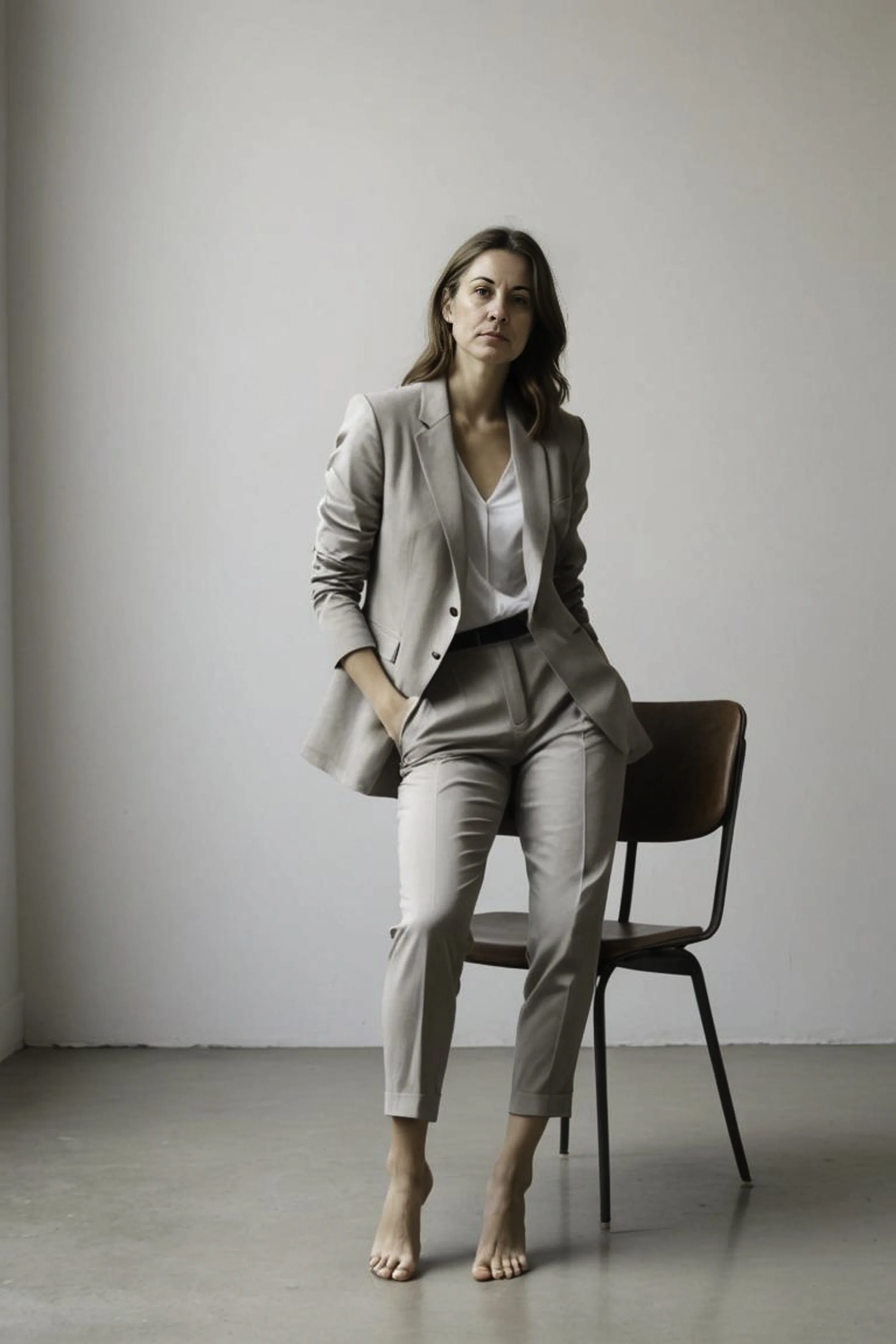
Make it stand out
Daarom begint portretfotografie voor mij ook niet met fotograferen. Het begint met observeren. Met praten. Met vertrouwen. En soms gewoon met even niets doen.
Drie meter opzij
In mijn fotografie komt één gedachte steeds opnieuw terug: als je blijft staan waar iedereen staat, zie je wat iedereen ziet.
Soms hoef je letterlijk maar drie meter opzij te stappen om een compleet ander beeld te krijgen. Bij portretfotografie werkt dat eigenlijk precies zo. Alleen gaat het niet altijd om drie meter. Soms moet je als fotograaf vooral figuurlijk opzij.
Je eigen ideeën over hoe iemand moet staan. Hoe iemand moet kijken. Wat professioneel zou moeten zijn. Wat mooi zou moeten zijn. Wat een "goed portret" hoort te zijn.
Even opzij ermee. En kijken wat er dan overblijft.
Misschien is dát wel een goed portret
Niet de foto waarop iemand perfect poseert. Niet per definitie de foto met de grootste glimlach. En zelfs niet altijd de technisch meest perfecte opname.
Maar die ene foto waarbij iemand naar het beeld kijkt en niet zegt: "Wat sta ik daar goed op." Maar: "Ja. Dat ben ik."
Daar doe ik het voor. Want uiteindelijk fotografeer ik liever een mens dan een pose.
En misschien begint een goed portret daarom wel precies op het moment dat iemand vergeet dat er een camera staat.
Op zoek naar een portretfotograaf die verder kijkt dan de pose? Ontdek mijn aanpak in [mijn workshops] of bekijk voorbeelden van eerdere portretsessies in mijn [portfolio].