We weten precies waar de ander fout zit. Maar zien we de ander nog wel?
Zet het nieuws aan en het lijkt soms alsof we langzaam het vermogen verliezen om elkaar te begrijpen. Demonstraties, politieke ruzies, verharde discussies en op sociale media een eindeloze stroom mensen die vooral heel zeker weten waarom de ander het verkeerd ziet.
We praten meer dan ooit. We reageren, delen, corrigeren en veroordelen. We hebben binnen een paar seconden een mening over iemand die we nog nooit hebben ontmoet en over een situatie waarvan we soms nauwelijks meer kennen dan een foto, een filmpje of een kop boven een artikel. En misschien is dat wel het vreemde van deze tijd: we hebben toegang tot meer informatie en meer mensen dan ooit, maar het voelt lang niet altijd alsof we elkaar daardoor beter zijn gaan begrijpen.
Onderzoek van het Sociaal en Cultureel Planbureau laat een interessant dubbel beeld zien. Nederlanders maken zich zorgen over politieke onrust en over de manier waarop we met elkaar samenleven. Tegelijkertijd is het te makkelijk om te zeggen dat we allemaal in volledig gescheiden kampen of mediabubbels leven. Hoe we tot onze mening komen, is veel ingewikkelder. Wat we zien speelt mee, maar ook wat we eerder hebben meegemaakt, wie we vertrouwen, met wie we praten en vanuit welke werkelijkheid we zelf naar de wereld kijken.
Dat laatste bleef bij mij hangen: vanuit welke werkelijkheid kijken wij eigenlijk naar elkaar?
Shanghai komt nogal binnen
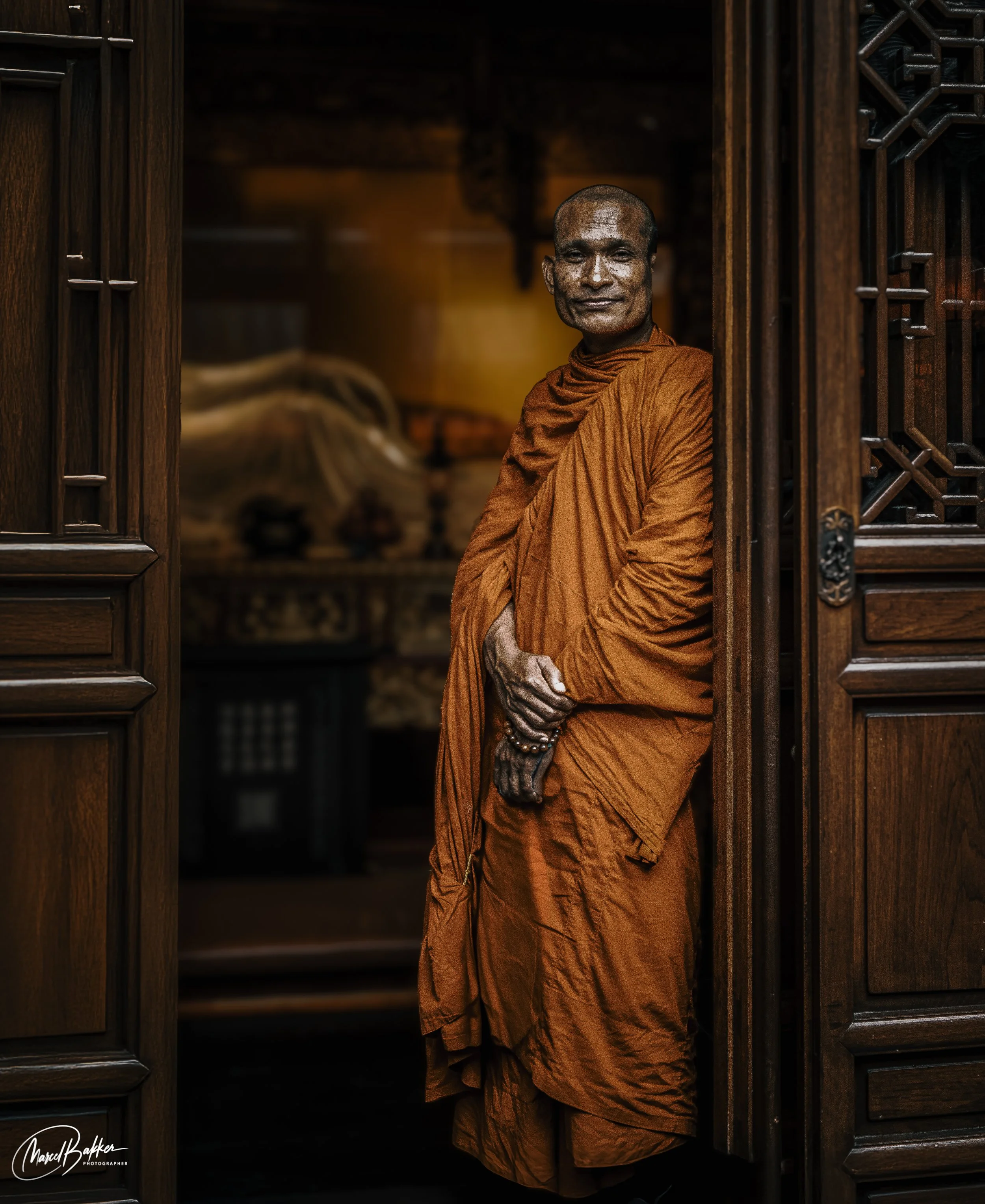
“ Ik weet niet meer wat ik als eerste zag. Het oranje van zijn gewaad, zijn gezicht of zijn ogen. Waarschijnlijk zijn ogen”
Ik was in Shanghai. Een stad die ongeveer het tegenovergestelde is van stilte. Verkeer, mensen, gebouwen die maar door lijken te groeien. Geluiden waarvan je niet altijd weet waar ze vandaan komen en geuren die elkaar om de paar meter afwisselen. Eten, uitlaatgassen, warm asfalt, kruiden, parfum en vochtige lucht. Shanghai komt nogal binnen. Het is een stad die niet beleefd vraagt of je misschien zin hebt om even op te letten. Shanghai grijpt je bij je kraag en zegt: kijk.
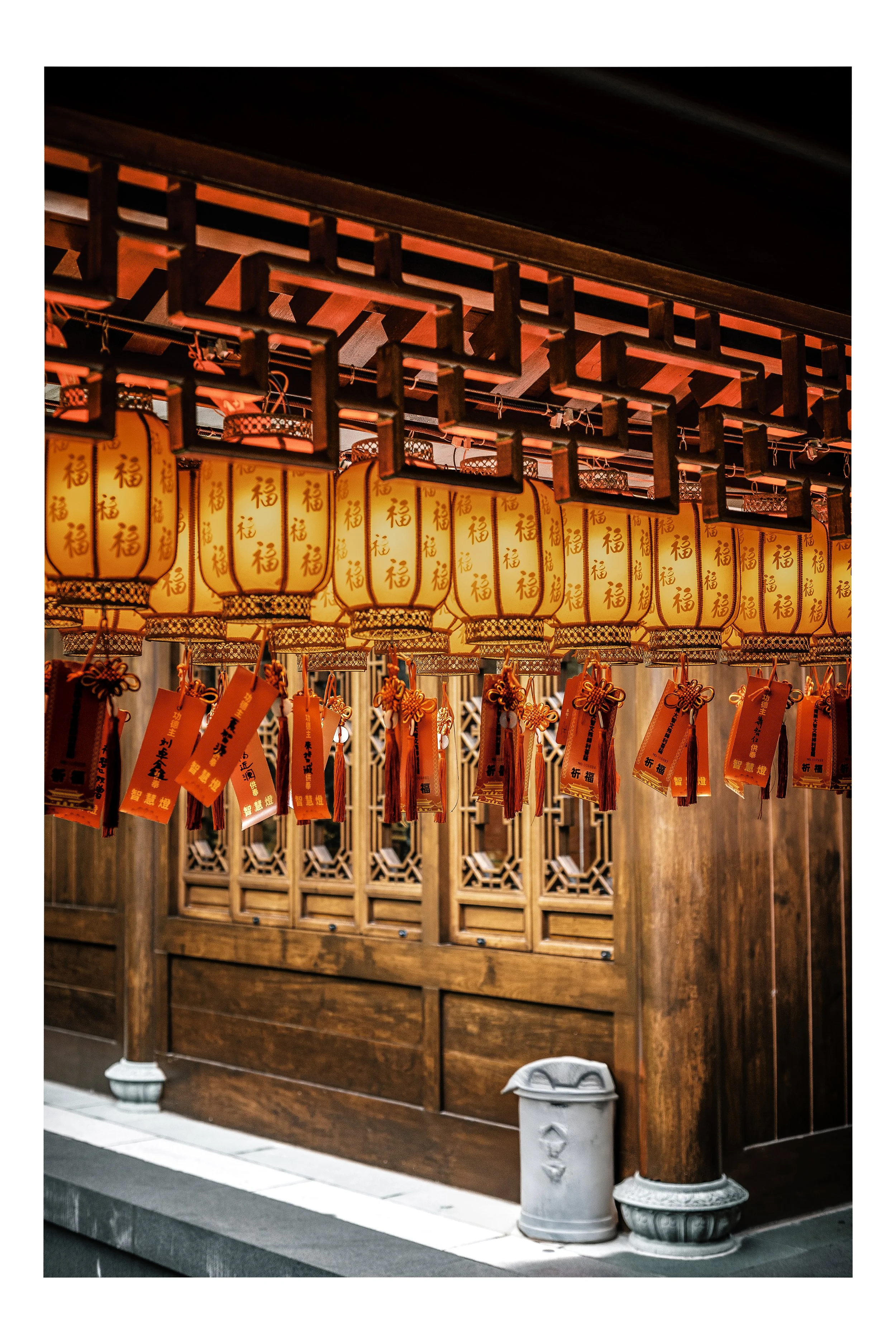
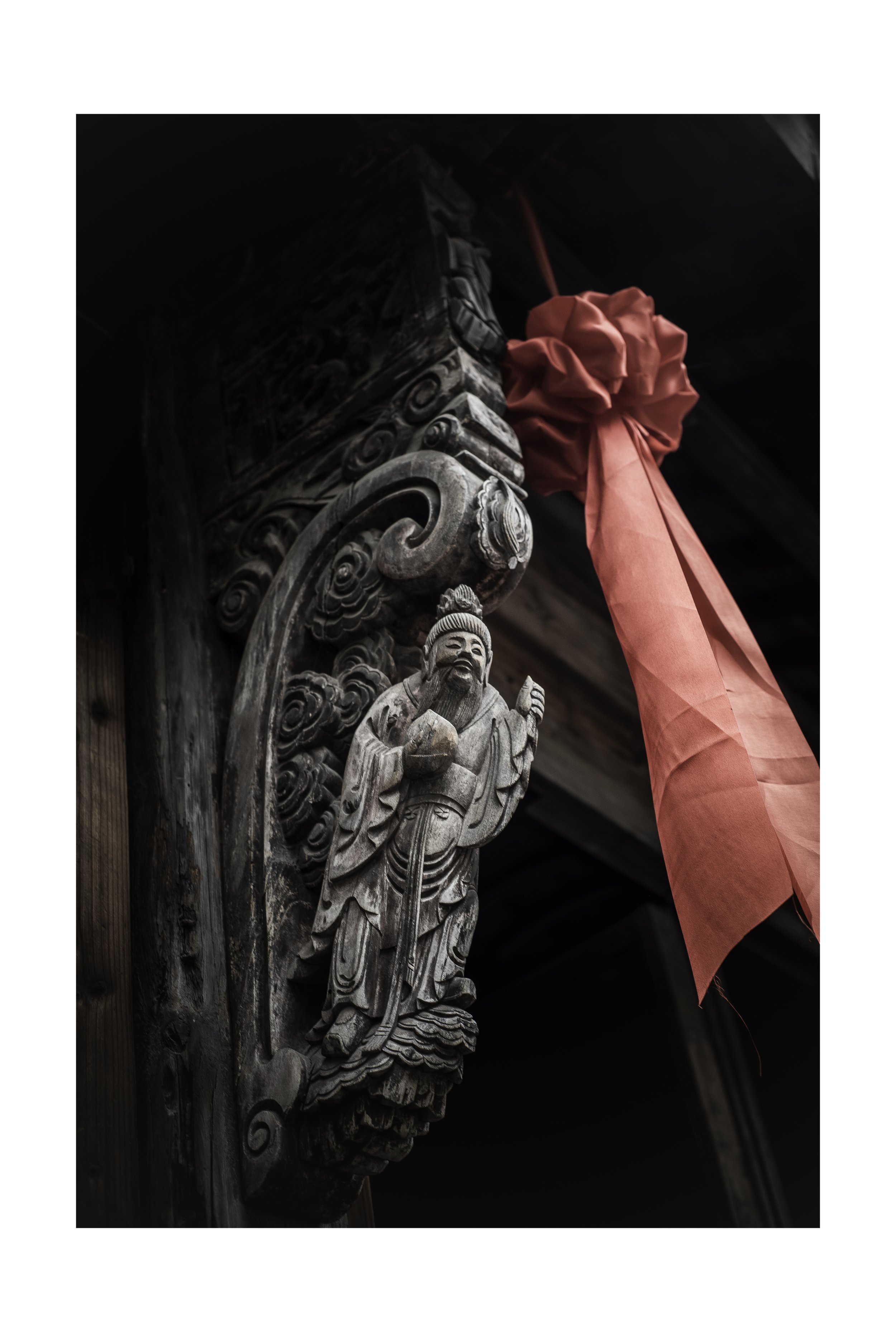
En ergens midden in die enorme stad stapte ik een tempel binnen. Het was alsof iemand het volume zachter draaide. Niet helemaal uit, volgens mij lukt dat nergens in Shanghai, maar zachter. Donker hout, warme kleuren, de geur van wierook, voetstappen en gedempte stemmen. Dat typische geluid van een plek waar mensen zonder dat iemand het vraagt vanzelf iets zachter gaan praten.
Mijn camera hing bij me. En toen zag ik hem. Een monnik in een oranje gewaad, rustig in een deuropening. Een gezicht waarin veel meer leek te zitten dan ik in één foto ooit zou kunnen vastleggen. Ik keek naar hem. Hij keek naar mij.
En toen deed ik wat Nederlanders in het buitenland blijkbaar instinctief doen. Ik begon Engels tegen hem te praten. Hij keek vriendelijk terug. Geen reactie. Dus probeerde ik het nog een keer. Langzamer. Want ergens in ons brein zit kennelijk het merkwaardige idee dat een taal die iemand niet spreekt vanzelf begrijpelijk wordt wanneer je hem met voldoende pauzes uitspreekt.
Het werkte niet.
Nyein sprak geen Engels. Ik sprak geen woord Birmees. Daar stonden we dan. Twee volwassen mannen. Een Nederlander met een camera en een Birmese monnik in een tempel in Shanghai. Gezamenlijke woordenschat: nul.
“En toch begon er een gesprek”
Niet met woorden, maar met aandacht. Een glimlach, een blik, een klein gebaar. Mijn camera. Zijn ogen die naar mijn camera gingen. Mijn hand waarmee ik probeerde te vragen of ik een foto mocht maken. Zijn reactie.
Geen Google Translate. Geen PowerPoint. Geen Teams-meeting en ook geen sessie van twee uur met als titel Optimaliseren van de onderlinge communicatie. Gewoon twee mensen die moeite deden om elkaar te begrijpen.
En wonderlijk genoeg lukte dat.
Ik maakte foto's, maar merkte dat ik al snel niet meer alleen bezig was met fotograferen. Ik keek naar hem. Echt keek. Naar zijn handen, zijn houding, de plooien in zijn gewaad, de manier waarop hij tussen het donkere hout stond en het licht op zijn gezicht. En vooral naar zijn ogen.
Hij keek ondertussen net zo goed naar mij. Dat vergeten we nog weleens wanneer we reizen. Wij denken dat wíj naar iets bijzonders kijken. Ondertussen kijkt dat bijzondere waarschijnlijk gewoon terug. Misschien was ik voor hem minstens zo exotisch. Een wat oudere Nederlandse man met een Nikon om zijn nek die ineens met handen en voeten een gesprek probeert te voeren. Ik zou mezelf waarschijnlijk ook even hebben bekeken.
Later leerde ik zijn naam: Nyein. Een Birmese monnik die ik duizenden kilometers van huis ontmoette in een tempel in Shanghai. We hadden geen gemeenschappelijke taal en toch voelde onze ontmoeting op een vreemde manier diepgaander dan sommige gesprekken waarin duizenden woorden worden gebruikt.
Misschien praten we soms te veel
Dat is een nogal ongemakkelijke conclusie voor iemand die zelf behoorlijk graag praat. Maar toch.
Taal is fantastisch. We kunnen ermee uitleggen, overtuigen, onderhandelen, liefhebben, ruzie maken, grappen maken en complete organisaties besturen. Maar taal heeft ook een merkwaardig bijeffect. Omdat we dezelfde woorden gebruiken, denken we al snel dat we hetzelfde bedoelen.
Vraag tien mensen wat vertrouwen betekent. Of vrijheid. Leiderschap. Samenwerken. Veiligheid. Succes. Liefde. Tien mensen, waarschijnlijk twaalf definities. En tóch voeren we hele gesprekken alsof onze eigen definitie de gebruiksaanwijzing is die iedereen bij zijn geboorte heeft meegekregen.
Bij Nyein kon dat niet. Ik kon me niet achter mooie woorden verschuilen. Hij ook niet. Ik kon hem niet vertellen wat ik bedoelde en vervolgens aannemen dat hij het wel begrepen zou hebben. We moesten kijken, wachten, reageren en opnieuw kijken.
Er bleef iets over wat in veel gesprekken opvallend snel verdwijnt: aandacht.
Misschien begint fotografie daar ook
Veel mensen denken dat fotografie begint met kijken. Ik denk inmiddels dat het daarvoor begint: met stoppen. Want zolang je beweegt, zoekt, beoordeelt en denkt dat je al weet wat je ziet, kijk je vaak helemaal niet zo goed. Je herkent vooral. Mens. Monnik. Tempel. Shanghai. Foto. Klik. Volgende.
Technisch kan daar een uitstekende foto uit komen. Scherp, goed belicht, mooie kleuren. Misschien zelfs eentje waar Instagram heel gelukkig van wordt. Maar voor mij is dat niet genoeg.
Ik wil dat een foto iets achterlaat. Dat je nét iets langer kijkt dan je van plan was. Dat je je afvraagt wie iemand is, wat er vijf seconden vóór het beeld gebeurde of vijf seconden erna. Ik wil bijna dat je iets kunt horen wat niet op de foto staat. De tempel. De stad buiten. De stilte tussen twee mensen die elkaar niet kunnen verstaan.
Daar begint voor mij fotografie langzaam over te gaan in Fine Art.
Fine Art begint niet bij de muur
Fine Art klinkt soms alsof je eerst een zwarte coltrui moet aantrekken voordat je het woord mag gebruiken. Heel ernstig kijken, hand onder de kin en vooral niet lachen.
Voor mij is het veel eenvoudiger. Fine Art fotografie begint wanneer je stopt met alleen registreren wat vóór je staat en probeert te laten zien wat jij daar hebt ervaren. Dat is een wezenlijk verschil.
De foto van Nyein is feitelijk gewoon een foto van een Birmese monnik in een tempel in Shanghai. Maar als dát alles was, zou ik hem waarschijnlijk allang vergeten zijn. Wanneer ik naar die foto kijk, voel ik de warmte weer. Ik ruik bijna de wierook. Ik hoor het gedempte geluid van de tempel en ergens daarachter Shanghai dat onverstoorbaar doordendert. Ik zie het donkere hout en dat bijna onwerkelijk intense oranje. Maar vooral herinner ik me wat er níét was: woorden. En hoeveel er juist daardoor werd gezegd.
Dat zoek ik in mijn Fine Art fotografie. Niet: kijk eens waar ik geweest ben. Maar: kijk eens wat ik daar zag. En misschien zelfs: voel eens wat ik daar voelde.
Make it stand out
Het vreemde is dat Nyein mij iets over organisaties leerde
Dat wist ik daar natuurlijk nog niet. Ik stond niet tegenover hem te denken: “Interessant Marcel, deze Birmese monnik kunnen we later uitstekend verwerken in een visie op teamdynamiek”. Gelukkig niet. Dan was de ontmoeting waarschijnlijk binnen drie minuten verpest.
Maar achteraf zie ik een verband. Ik heb meer dan dertig jaar in organisaties gewerkt. Directiekamers, managementteams, verandertrajecten, presentaties, strategieën, targets en vooral heel veel vergaderingen. Soms liepen we na twee uur naar buiten met het idee dat iedereen elkaar begrepen had. Alles was tenslotte besproken.
Tot je een uur later bij het koffieapparaat ontdekte dat vijf mensen vijf totaal verschillende vergaderingen hadden bijgewoond.
De woorden waren hetzelfde. De werkelijkheid niet.
En dat fascineert me. Wij kijken niet neutraal naar wat er gebeurt. We selecteren, interpreteren en vullen aan. We nemen onze ervaringen mee, onze verwachtingen, onzekerheden, overtuigingen, belangen en positie. Vervolgens plakken we daar een nogal ambitieus etiket op: de werkelijkheid.
Dat is soms grappig. En soms behoorlijk gevaarlijk.
Geef acht mensen een camera
Daarom vind ik het tijdens mijn Photography Experience en wanneer ik met teams werk aan de 12 fotos, 8 opdrachten en 1 winnaar challenge, zo interessant om mensen op exact dezelfde plek een fotografische opdracht te geven. Zelfde landschap, zelfde licht, zelfde moment en dezelfde opdracht.
Je zou verwachten dat de foto's op elkaar lijken. Vergeet het maar.
De één ziet een enorme boom. De ander fotografeert alleen de schaduw eronder. Iemand ziet een patroon in de bast. Een vierde wacht tot er een wandelaar voorbijloopt. En nummer vijf? Die heeft die hele boom niet gefotografeerd. Die zag iets anders.
Niemand liegt. Niemand heeft ongelijk. Ze stonden alleen vanuit hun eigen perspectief naar dezelfde wereld te kijken. En dan wordt het interessant. Niet de vraag wie heeft de mooiste foto?, maar: waarom zag jij dit en ik niet?
Op dat moment wordt een camera voor mij meer dan een apparaat waarmee je foto's maakt. Het wordt een spiegel. Je maakt zichtbaar waar iemand naar kijkt, wat iemand belangrijk vindt en minstens zo interessant wat iemand buiten beeld laat.
En daar komen we weer bij het nieuws
Misschien is dat wel waarom dat beeld van Nyein steeds bij me terugkomt wanneer ik naar onze wereld kijk. We lijken soms razendsnel te weten wie de ander is. Links. Rechts. Woke. Boomer. Elite. Wappie. Manager. Medewerker. Voor. Tegen.
Handig eigenlijk, zo'n etiket. Je hoeft daarna nauwelijks nog naar de persoon erachter te kijken.
Maar een mens is geen hashtag. Een collega is geen functie. En iemand met een andere mening is niet automatisch iemand die niet heeft nagedacht.
Dat betekent nadrukkelijk niet dat iedere mening even juist is. Anders kijken betekent voor mij niet dat feiten ineens relatief worden of dat iedereen automatisch gelijk heeft. Integendeel. Het betekent dat je nieuwsgierig genoeg bent om je eigen waarneming óók ter discussie te stellen.
En misschien begint het daar wel: niet bij anders kijken naar de ander, maar bij anders kijken naar jezelf.
Dat heb ik zelf ook moeten leren. Het is namelijk een stuk makkelijker om te zien waar een ander verkeerd kijkt dan om te onderzoeken welke beelden je zelf jarenlang voor waarheid hebt aangenomen. Welke overtuigingen draag ik mee? Welke mensen heb ik misschien te snel beoordeeld? Waar heb ik vooral gezien wat ik wílde zien? En wanneer was ik zo overtuigd van mijn eigen gelijk dat ik niet meer werkelijk keek?
Dat is niet altijd comfortabel. Een camera kun je scherpstellen door aan een ring te draaien. Bij jezelf werkt dat helaas iets ingewikkelder.
Maar juist daar zit voor mij de essentie van anders kijken. Niet voortdurend op zoek gaan naar wat de ander mist, maar af en toe de camera als het ware omdraaien.
Waarom zie ik wat ik zie? Waarom raakt dit mij? Welke ervaring neem ik mee? Wat zegt mijn oordeel misschien over míj? En de moeilijkste: wat zie ik bij mezelf nog niet?
Misschien begint daar werkelijk begrijpen. Niet bij het onmiddellijk eens worden met elkaar, maar bij de bereidheid om te erkennen dat de ander vanuit een ander raam naar dezelfde wereld kijkt én dat jouw eigen raam ook niet altijd zo helder is als je denkt.
Make it stand out
Terug naar Nyein
Ik kijk opnieuw naar zijn foto. Hij staat tussen twee houten deuren. Zijn handen rustig voor zijn lichaam. Het oranje van zijn gewaad fel tegen het donkere hout en die indrukwekkende kop. En die blik, recht naar mij.
Ik weet nog steeds niet precies wat hij op dat moment dacht. Misschien vond hij onze ontmoeting net zo bijzonder als ik. Misschien dacht hij alleen maar: daar heb je weer zo'n gast met een camera. Dat kan ook.
En gek genoeg vind ik dat mooi. Ik hoef zijn verhaal niet voor hem in te vullen. Misschien is dat zelfs precies de les. We hoeven niet altijd onmiddellijk te weten wat iemand denkt, bedoelt of vindt. We kunnen het ook even niet weten. Kijken. Luisteren. Nieuwsgierig worden.
Nyein en ik spraken geen gemeenschappelijke taal. Toch vonden we elkaar. Niet doordat één van ons harder ging praten. Niet doordat iemand won. Niet doordat ik hem overtuigde van mijn gelijk of hij mij van het zijne.
We deden iets veel eenvoudigers. En blijkbaar iets wat in deze tijd soms behoorlijk ingewikkeld is geworden.
We zagen elkaar.
Ik reisde duizenden kilometers naar China om in een tempel in Shanghai een Birmese monnik te ontmoeten met wie ik geen fatsoenlijk gesprek kon voeren. En juist hij liet mij opnieuw zien hoe weinig woorden je soms nodig hebt om werkelijk contact te maken.
Misschien moeten we daarom niet nóg harder proberen uit te leggen waarom wij gelijk hebben. Misschien moeten we eerst iets anders doen.
Even stoppen. Kijken. En onszelf één vraag stellen:
Wat ziet die ander wat ik op dit moment niet zie?